
Don’t let safety equipment fail when you need it most. Discover essential maintenance schedules for smoke detectors, extinguishers, and suppression systems.
Introduction
Fire safety equipment is your silent guardian—until it isn’t. A dead smoke detector, empty fire extinguisher, or clogged sprinkler system offers false confidence and zero protection. Regular maintenance transforms equipment from decorative wall mounts into life-saving tools.
Smoke Detectors: Your First Line of Defense
Testing: Press the test button monthly. If you don’t hear the alarm, replace batteries immediately or replace hardwired units if they fail.
Battery Replacement: Change batteries annually, even if tests pass. Use the “change your clock, change your battery” rule when daylight saving time shifts.
Replacement Schedule: Replace smoke detectors every 10 years, regardless of apparent functionality. Sensors degrade over time.
Cleaning: Vacuum detectors gently every six months to remove dust that can trigger false alarms or block sensors.
Fire Extinguishers: Ready at a Moment’s Notice
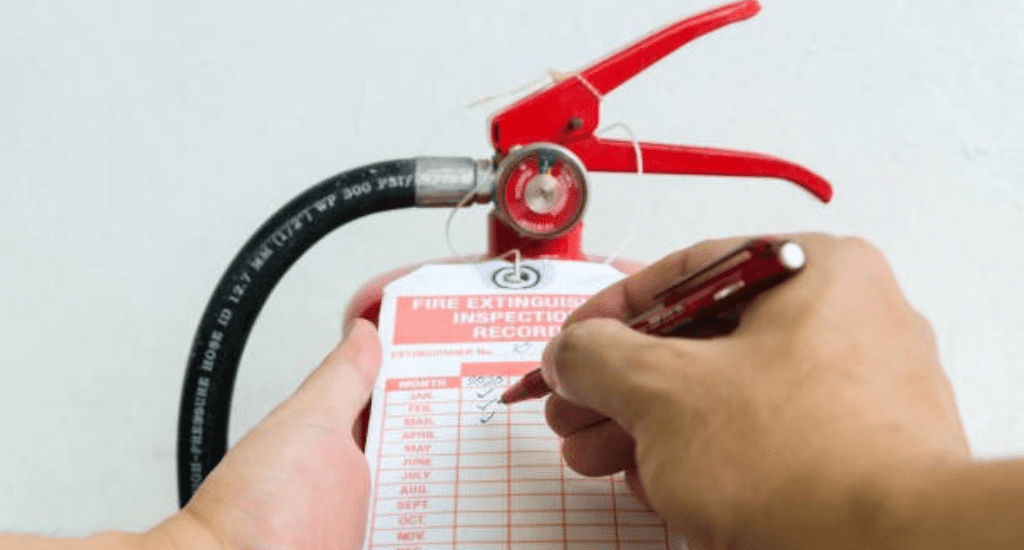
Monthly Visual Inspection: Check the pressure gauge—needle should be in the green zone. Ensure accessibility isn’t blocked by storage or furniture. Verify the pin and tamper seal are intact.
Annual Professional Inspection: Certified technicians should examine internal components, weight, and hydrostatic testing requirements.
Hydrostatic Testing: Water and foam extinguishers need testing every 5 years; CO2 every 5 years; dry chemical every 12 years.
Replacement Indicators: Replace immediately if you notice corrosion, leakage, damaged hoses, or after any use—even partial discharge.
Sprinkler Systems: Automatic Protection
Quarterly Inspections: Check control valves to ensure they’re open, inspect gauges for proper pressure, and verify alarm devices function.
Annual Flow Tests: Professional testing ensures water flows adequately and triggers alarms correctly.
Obstruction Investigation: Every five years, inspect pipes for internal blockages from corrosion or foreign materials.
Maintenance Records: Legal and Practical Protection
Document every inspection, test, and maintenance activity. These records prove compliance with fire codes, support insurance claims, and identify patterns indicating equipment replacement needs.
Employee Training: Equipment Is Only as Good as Its User
All employees and family members should know:
- Extinguisher locations and PASS technique (Pull, Aim, Squeeze, Sweep)
- When to fight versus when to evacuate
- How to activate manual pull stations
- Sprinkler system limitations (they’re designed for life safety, not property protection)
Conclusion
Safety equipment maintenance isn’t glamorous, but neither is surviving a fire. Schedule these checks in your calendar today. The few minutes invested monthly could be the difference between a close call and a tragedy.