

Worker Safety Footwear
Footwear for For Every Work Occasion
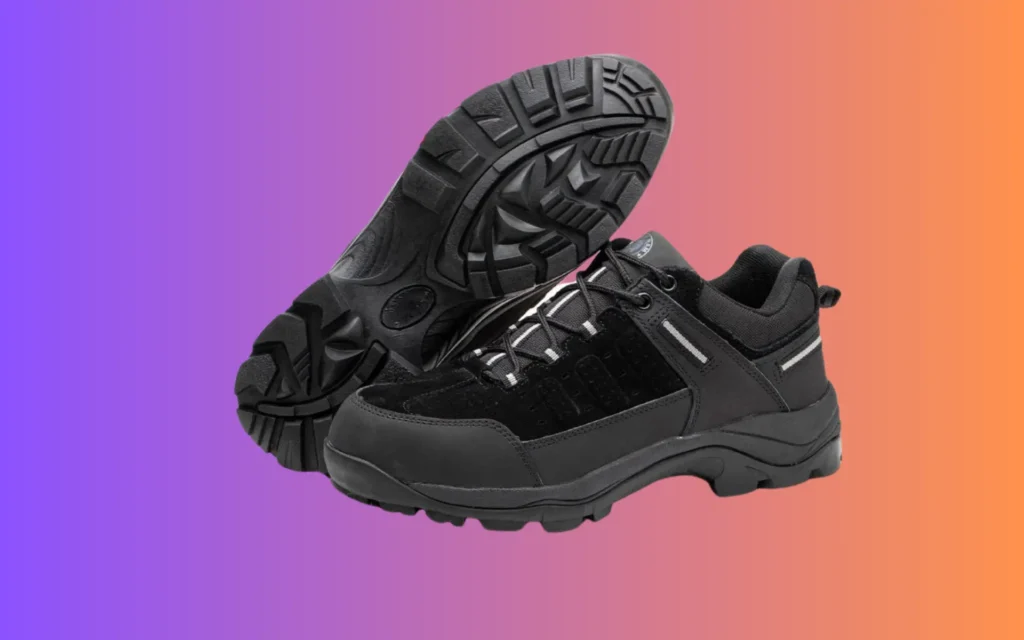
Protection for Every Step
Industrial safety shoes are engineered to protect the feet from falling objects, compression, punctures, and electrical hazards. Built with heavy-duty materials, they provide superior grip on slippery surfaces and are essential for construction, mining, and manufacturing sectors.
Key Benefits of Safety Footwear
Protection Against Falling Objects: Reinforced steel or composite toes prevent crushing injuries from heavy tools or materials.
Puncture Resistance: Specialized midsoles protect the feet from sharp objects like nails, glass, or scrap metal on the floor.
Electrical Hazard Safety: Non-conductive materials protect workers from accidental contact with live electrical circuits.
Slip and Trip Prevention: Advanced outsoles provide superior grip on oily, wet, or uneven surfaces, reducing the risk of falls.
Ergonomic Comfort & Support: Quality footwear reduces fatigue and prevents long-term musculoskeletal issues caused by standing for long hours.
Chemical & Heat Resistance: Protects the skin from hazardous spills and extreme temperatures in industrial environments.
Types of Safety Footwear Available
Steel Toe Boots: The industry standard for heavy-duty protection against impact and compression.
Composite Toe Shoes: Made from non-metal materials like carbon fiber or plastic; they are lighter and do not conduct heat or electricity.
Metatarsal Guards: Extra protection that covers the upper foot and ankle area to protect the small bones from heavy impact.
Puncture-Resistant Boots: Equipped with a reinforced sole to stop sharp objects from piercing through to the foot.
Electrical Hazard (EH) Shoes: Specially insulated footwear designed to reduce the risk of electric shock.
Static Dissipative (SD) Footwear: Designed to conduct static electricity through the shoe into the ground, preventing sparks in sensitive environments.
Chemical-Resistant Boots: Made from rubber or PVC to safeguard against acids, oils, and hazardous chemicals.

Providing top-tier fire protection solutions in Tamil Nadu . We specialize in high-quality fire extinguishers, advanced suppression systems, and comprehensive safety training to ensure a safer environment for all.
"THINK SAFE... BE SAFE..."
Useful Links
Our Services
Our Offices
26/32, Thiyagi Natesan Street No.1, Opposite Indira Gandhi School, Ammapet, Salem - 636 003. Tamil Nadu.
© 2026 VAP Fire Safety Equipments.All Rights Reserved.